
Nuance and realism mark new-gen. Indian cinema
By V.S. Samyuktha
In the quiet of a small-town theatre or the light of a smartphone screen, stories unfold that don’t just entertain; they resonate.
A daughter rejects an arranged marriage, a father fights against caste oppression, a young man wrestles with his sexuality, and a working mother reclaims her identity. These aren’t just plots; they reflect our reality. Today, Indian cinema serves as a mirror, revealing a nation in transition.
The days of films being only escapist fantasies are gone. The new wave of Indian storytelling embraces harsh truths rather than avoiding them. Cinema has shifted from being just a window to another world; it now reflects our own.
The Shift Toward Realism
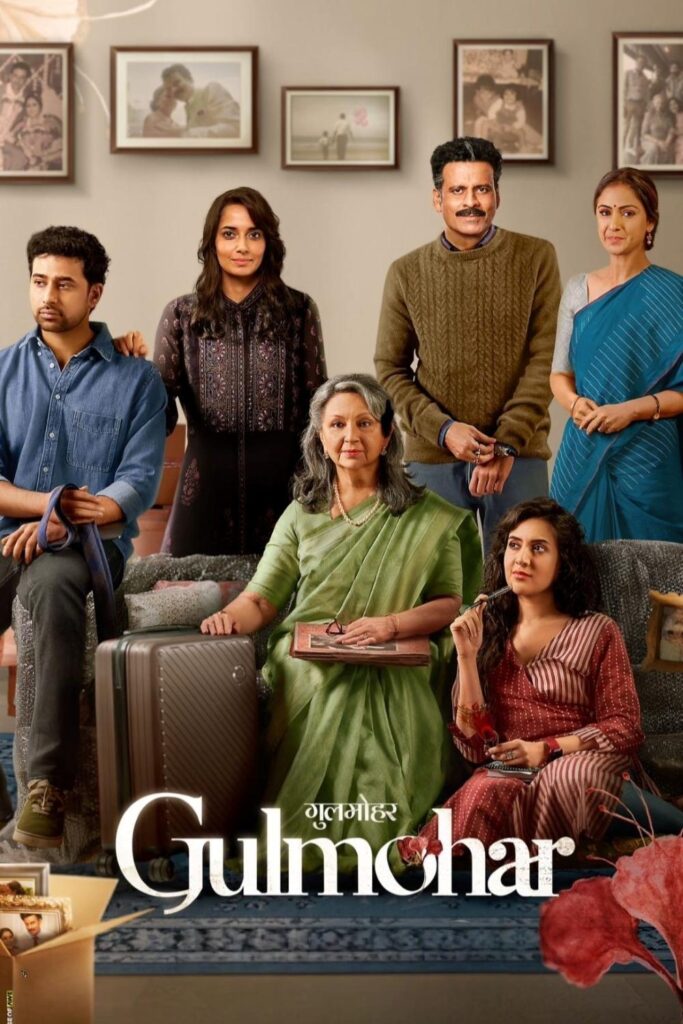
In the last decade, especially after the pandemic, cinema has become more intimate, raw, and introspective. Whether it’s a woman going through middle age in Gulmohar, the trauma portrayed in Masaan, or the quiet defiance of a woman in The Great Indian Kitchen, Indian filmmakers are capturing the real-life experiences of millions—often in whispers rather than shouts.


“People are tired of pretending everything is perfect,” says filmmaker Anvita Dutt (Qala, Bulbbul). “They want stories that reflect confusion, the grey areas, and the courage it takes to live authentically.”
This realism isn’t always dark; it has depth. Films and series are focusing on nuances instead of loud messages. They examine flawed, relatable characters and imperfect systems instead of sticking to binary morality. What stands out is how personal stories are intertwining with political themes. When Article 15 addresses caste issues, when Thappad tackles domestic abuse, or when Axone highlights racial discrimination against North-Eastern Indians, these narratives are not preaching. They are simply revealing.
By doing this, they invite empathy—not just from those who experience these truths, but also from those who have never had to face them. Films like Sir, Fandry, Bheed, and Dahaad are addressing cultural gaps long overlooked by mainstream cinema.
“Representation is starting to look like real life,” says sociology professor Renu Thomas. “That’s powerful. When people see their struggles reflected on screen, they feel seen—and that’s the first step toward change.”
Small-Town Stories, National Conversations
The setting is as significant as the story itself. The most meaningful changes in Indian cinema often take place outside metropolitan areas. Productions like Panchayat, Bareilly Ki Barfi, or Jamtara put small-town India in the spotlight—not as caricatures, but as characters.
These narratives explore everyday life—ambition meeting tradition, divides between generations, silent dreams, and rising frustrations. They connect with local culture but resonate universally, sparking conversations about access, dignity, and dreams that cross class boundaries.
The Influence of OTT and Global Awareness
Streaming platforms have been crucial in driving this change. Without the stress of box office returns, filmmakers feel free to tell bolder, more unconventional stories. Films like Guilty Minds, Delhi Crime, Kota Factory, and Mai wouldn’t have been possible in traditional commercial environments—but they’ve gained devoted fans.
Moreover, audiences now, exposed to global cinema, are asking for more authenticity, diversity, and emotional depth in Indian storytelling. They prefer grit over glamour.
Mental Health, Identity, and Inner Conflicts
Modern cinema has also explored mental health and emotional vulnerability with empathy. Films like Dear Zindagi, Chhichhore, Judgementall Hai Kya, and Qala have addressed issues that were once considered taboo—like depression, anxiety, therapy, and childhood trauma.


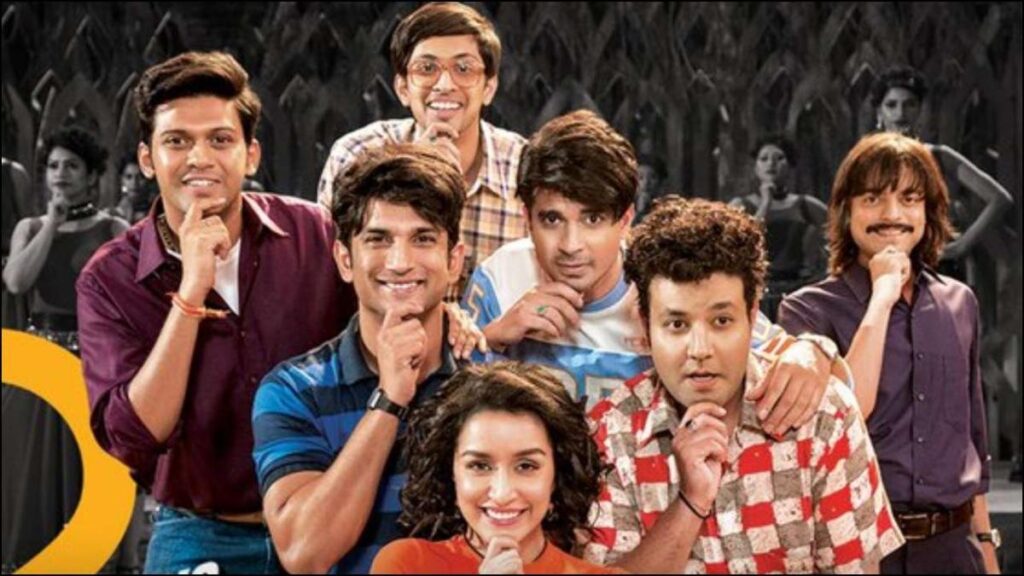

More importantly, these stories aren’t glorifying pain or romanticizing dysfunction. They treat mental health as a living and evolving reality, not just a dramatic plot device. This maturity reflects a larger societal shift toward awareness and acceptance.
What connects all these examples is a desire for authenticity. There is a growing demand—among both creators and audiences—for stories that don’t have tidy endings, that linger longer, provoke thought, or leave room for uncertainty.
Cinema today dares to leave questions unanswered. It dares to embrace silence. It dares to depict India not as it wishes to be seen, but as it truly is—complex, chaotic, beautiful, and broken.
As India continues to evolve—socially, culturally, and politically—its cinema will remain an important reflection of the times. A film might not change the world, but it can change how someone views theirs. Sometimes, that’s enough.
So the next time you click play on a quiet film from a small town, pay close attention. You might see yourself, your questions, your fears, your courage reflected in someone else’s story.