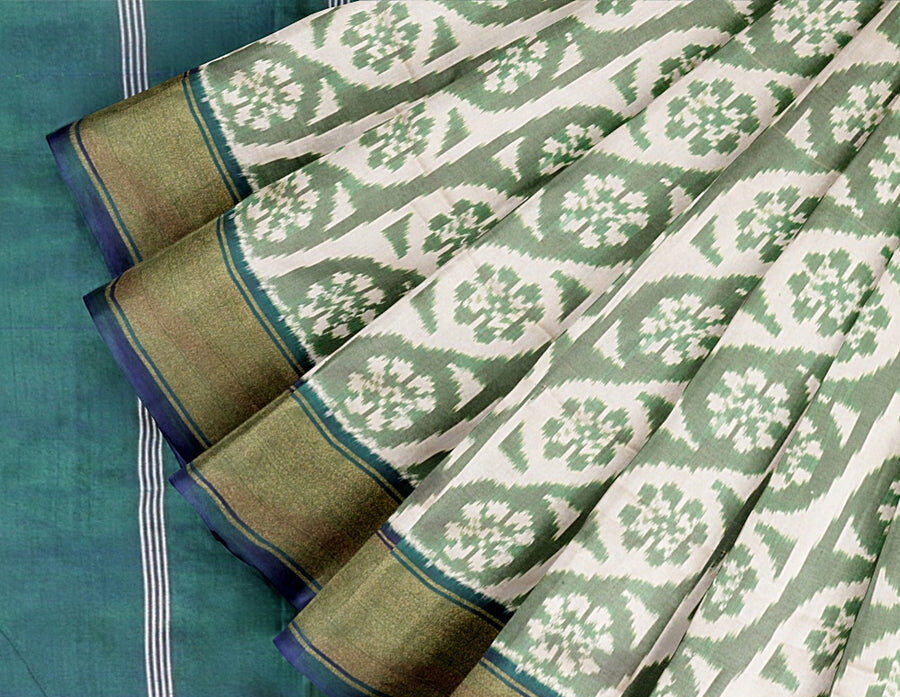
Not just for ethnic day: Handlooms gain ground as classy casuals
Shravani Pallapu
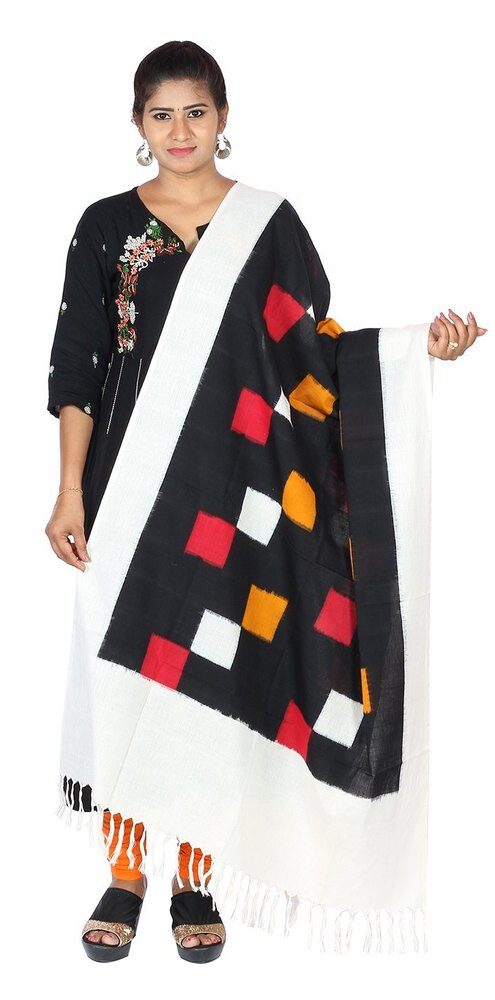
In the narrow lanes of Hyderabad’s Shilparamam crafts village, 27-year-old designer Priya Kalvala sets up her latest collection — a blend of Gadwal silk blouses paired with denim. “Handloom is no longer just tradition, it’s contemporary, classy and climate-friendly,” she says, watching Gen-Z shoppers walk away with their first Pochampally dupattas.
Across India, and particularly in the Telugu states of Telangana and Andhra Pradesh, handloom is experiencing a quiet yet powerful revival. From Uppada sarees being featured in fashion shows to Mangalagiri cottons becoming corporate casuals, the threads of legacy are weaving into everyday life.
According to data from the Development Commissioner (Handlooms), Telangana saw a 31% increase in online handloom product sales in 2024 alone. The Pochampally Ikat, known for its geometric patterns, has found new life on jackets, laptop sleeves, and even sneakers sold by Hyderabad-based start-ups like “Telugu Looms”.
Meanwhile, the Mangalagiri saree, known for its temple borders and subtle cotton textures, has gone digital. Weaver collectives here now livestream their looms and take WhatsApp orders. “My daughter does Insta Lives. That’s how we survived COVID and grew after it,” says 52-year-old K. Ramulamma, proudly holding her latest indigo weave.
Nationwide, the handloom wave is gaining force. Data from the Ministry of Textiles indicates a 23% rise in handloom product consumption, especially in the 20-40 age group in metro cities. For many youth — especially in Telugu-speaking cities — handloom is not just heritage, it’s resistance.
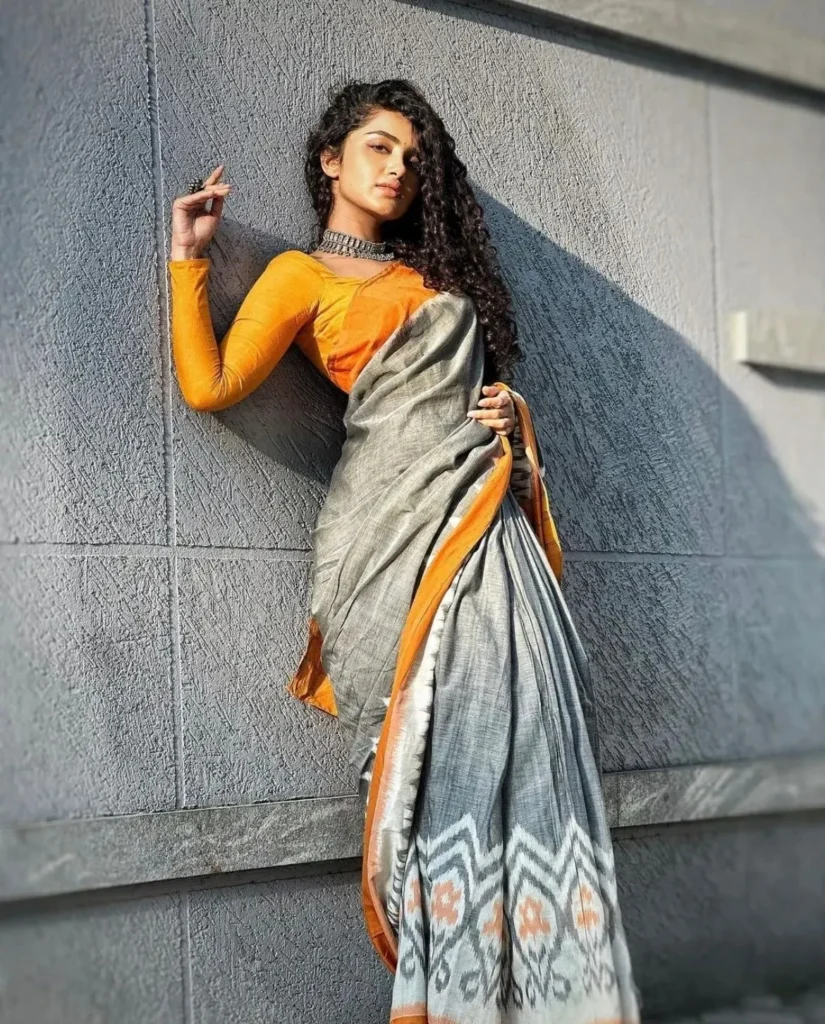
Designers like Shravan Kumar (Hyderabad) and Gaurang Shah (Telangana roots) have taken Telugu weaves to Lakme Fashion Week and even international ramps. Popular labels like Taneira, Okhai and The India Craft House are increasingly featuring Telugu-origin textiles in their catalogues. Boutiques in Bengaluru, Mumbai and Delhi are stocking Kalamkari kurtas, Khadi dresses and Ikat tote bags — many sourced from Telangana and Andhra.
From the looms of Chirala to the hills of Narayanpet, technology is reshaping legacy. In Narayanpet, often overshadowed by its larger counterparts, women weavers have created a cooperative with a Shopify store. They now export shawls to Europe under the label “Weave Deccan.”
“Earlier, our saris were sold to middlemen. Now, we ship them to Berlin and Bengaluru,” says cooperative leader Lakshmi Nagamani.
Government schemes like the Handloom Export Promotion Council and the GI tag push for regional weaves like Pochampally and Uppada have also contributed to visibility and trust. Still, many artisans remain on the economic fringe. A 2024 NIFT-Hyderabad study found that nearly 58% of weavers in Telangana earn below ₹6,000 per month. Input costs — especially for silk yarn and natural dyes — have shot up.