Small Lives, Big Love: The emotional world of pet parenting
By Surakanti Koushika
Pets have slowly become a part of modern households. Nowadays, we can see pets in almost one out of every ten homes. But if we look back into ancient times, animals were already a part of human life. Birds were used for communication, and animals like bullocks, cows, buffaloes, goats, hens, and even donkeys were cared for closely. They were not just working animals; people treated them with affection, almost like pets.
Just like children in a family, pets slowly become part of our daily routines. Our food habits, travel plans, and even our schedules sometimes change because of them. Even during important moments, we think about whether they have eaten or if someone is taking care of them. Every family member develops a bond with the pet, even if the pet was originally brought home by just one person.
Many people say this: we may buy the pet, pay for its food, and handle the expenses, but during the day, it plays with someone else, is fed by another, and is cared for by everyone. Eventually, it becomes close to the whole family. Everyone wants to take responsibility.
I want to share a few personal experiences. One day, my brother was returning home from college when he saw a cat on the road, almost about to be hit by a vehicle. He saved her and brought her home. We named her Jabilli. She became very close to my grandmother, who fed her and spent most of the time with her. But whenever she heard my brother’s voice, she would come running from wherever she was in the house.
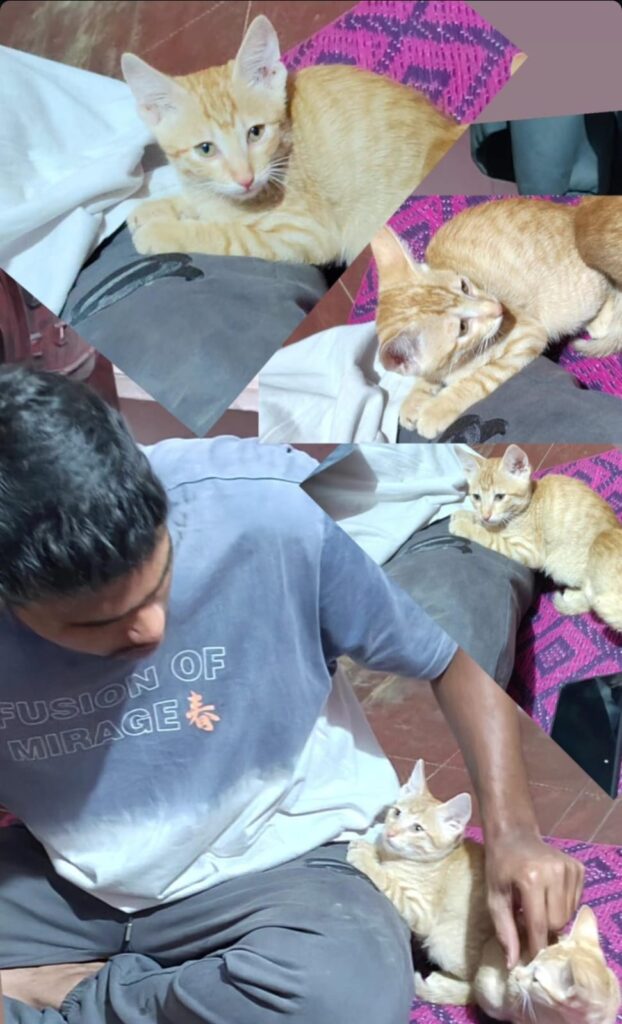
Whatever we ate, Jabilli also ate—even upma, which many of us don’t like. My grandmother would say, “See, upma is healthy. Even the cat eats it, but you people hate it.” Jabilli was almost like a human. Once, she fell sick, and my brother took her to the hospital for treatment. Everyone in the family took care of her. My cousin would cry when Jabilli was unwell and silent. That is how a pet becomes part of a family.
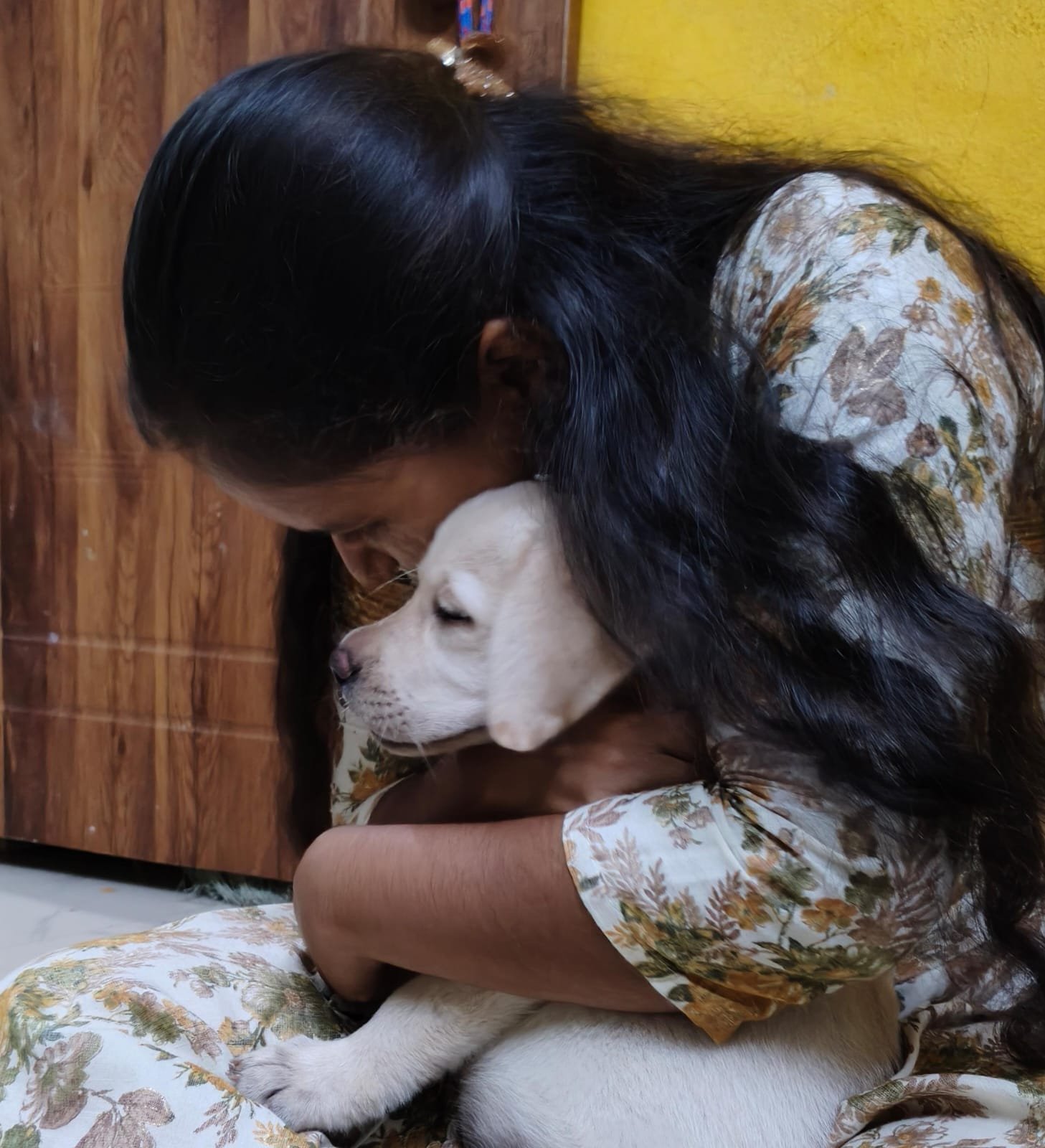
Another time, during a vacation at my relatives’ house, my uncle’s friend left his dog with us for a week. His name was Shiva. I was very happy and became very close to him. It was my first time caring for a dog like a pet parent. But when the week ended and the owner returned, Shiva did not want to leave. It was hard, but I understood he wasn’t my pet.
Later, in my hostel, I couldn’t keep dogs or cats, but I bought a betta fish and named him Bujjigadu(Bluee) Whenever I called him, he would come near the bowl, probably sensing the vibrations. Living alone as a pet parent creates a different bond. You talk to them, share your thoughts, and feel less lonely.
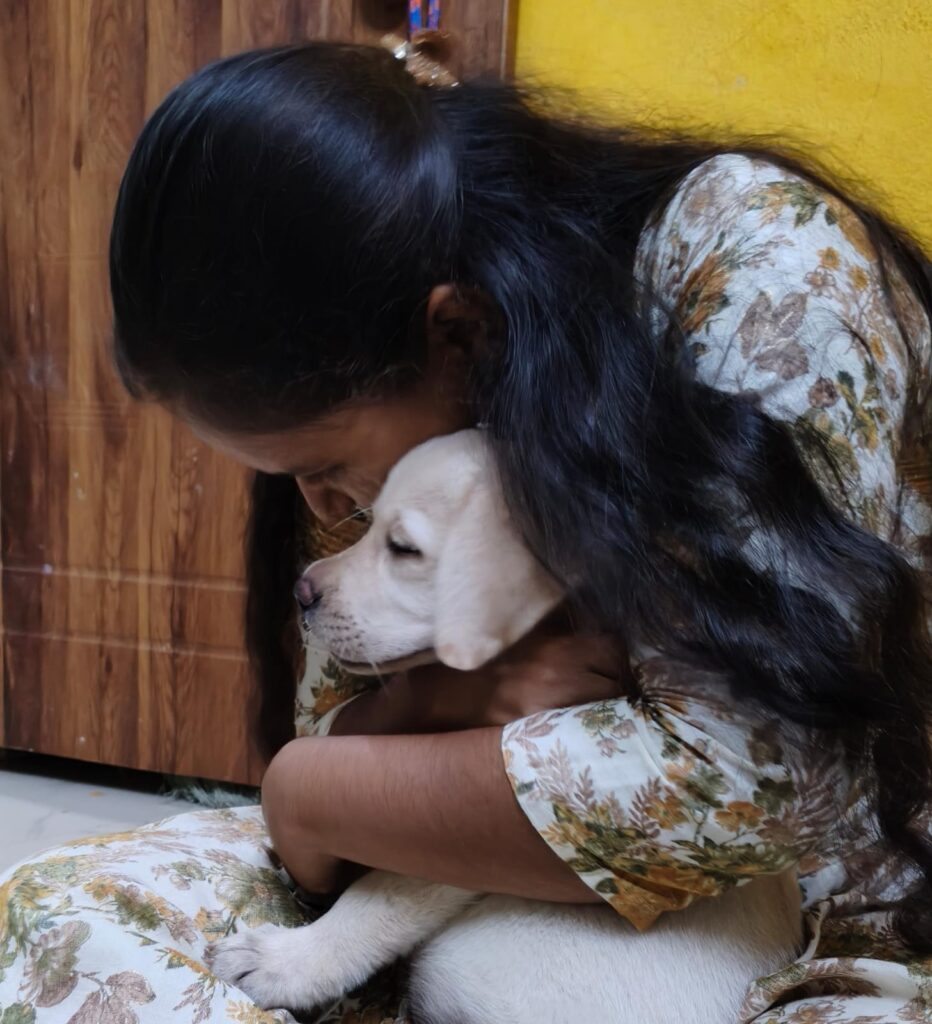
Being a pet parent means responsibility. Animals cannot speak, so we must understand their needs. It is not just about buying them but making time to care for them.
My cousin had a dog named Tuffy who lived for nine years. When he died, they buried him in the family graveyard.Their lifespan may be shorter compared to humans, but who knows who will leave this world first? The memories we hold are forever. Even if we take just a little care of them, the love they show feels different. Some people find peace in different things. Some find it in nature. For me, it was Bluee; for my brother, it was Jabilli; and for my cousin, it was Tuffy. Each of us found comfort, companionship, and emotions through them.
Humans cut down trees, build cities, and call it development. But what did the animals do to deserve homelessness? Sometimes, when we see them on the streets, we feel empathy and offer food or water. Being a pet parent is a good thing. It shapes a person into someone more responsible. Some people may call it crazy, but once you become a pet parent, you will understand that bond better.