Anusha Yallapragada
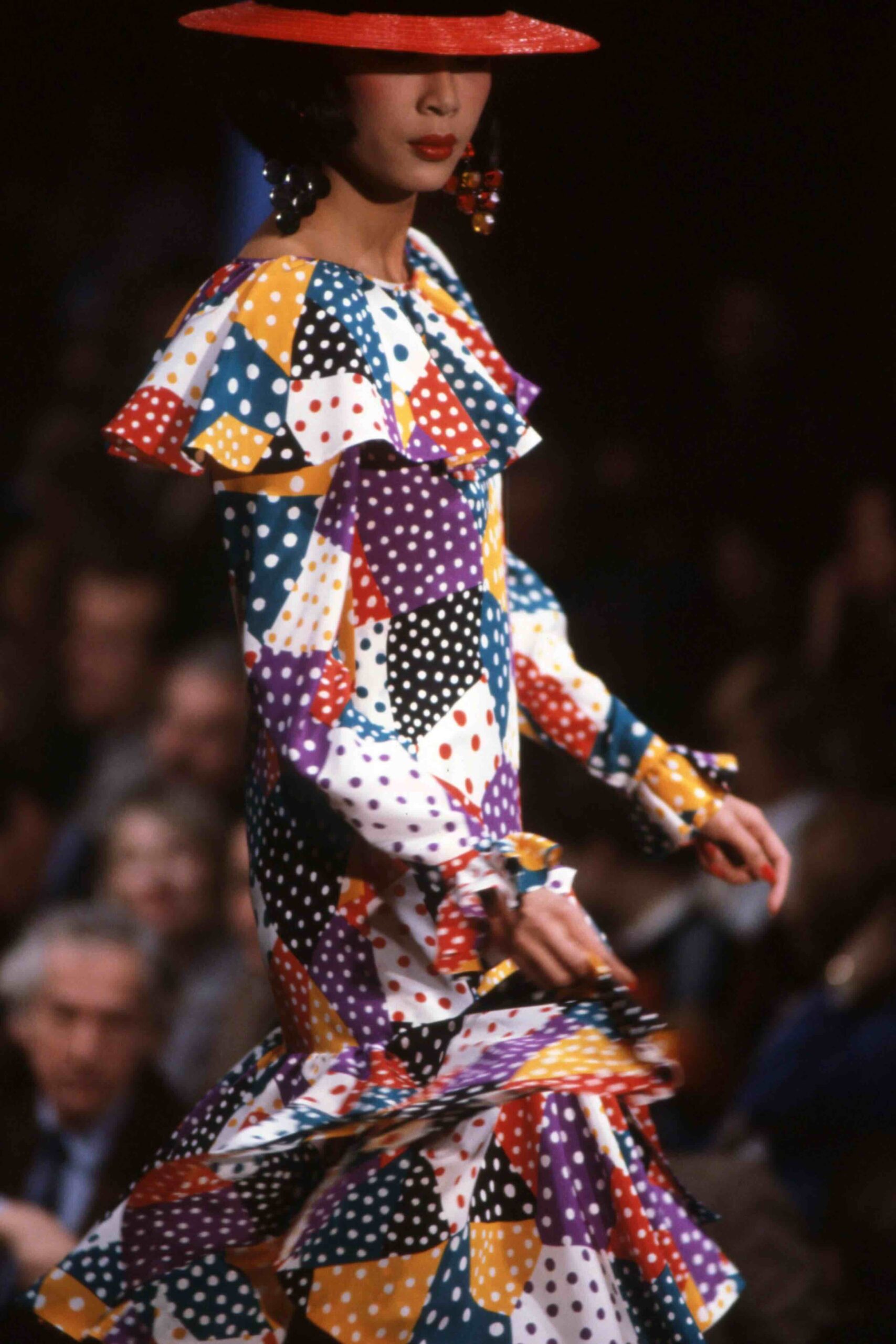
From vintage thrifts to vinyl records, the modern generation have been shifting to all things retro in recent times. Aided by the digital-social axis, the retro is not just remembered but is being reinvented.
The value of vintage fashion goes beyond just aesthetics: it symbolises culture and identity, reflects values, and acts as a resistance to digital overload. For some, it is also a reflection of human longing for nostalgia.
The sum of all these has translated into a major wave in the fashion industry. From fashion weeks to big brands, everyone is promoting and adapting to retro styles. We have seen Adidas, Levi’s, IKEA, Louis Vuitton, and YSL re-issuing their classic lines.
Fashion designer Bhavya believes retro styles aren’t just a passing fad; they “reappear from time to time.” She points out that the primary difference between retro and modern fashion is “aesthetic and style,” with retro drawing from nostalgic influences while modern pieces lean towards contemporary sensibilities.
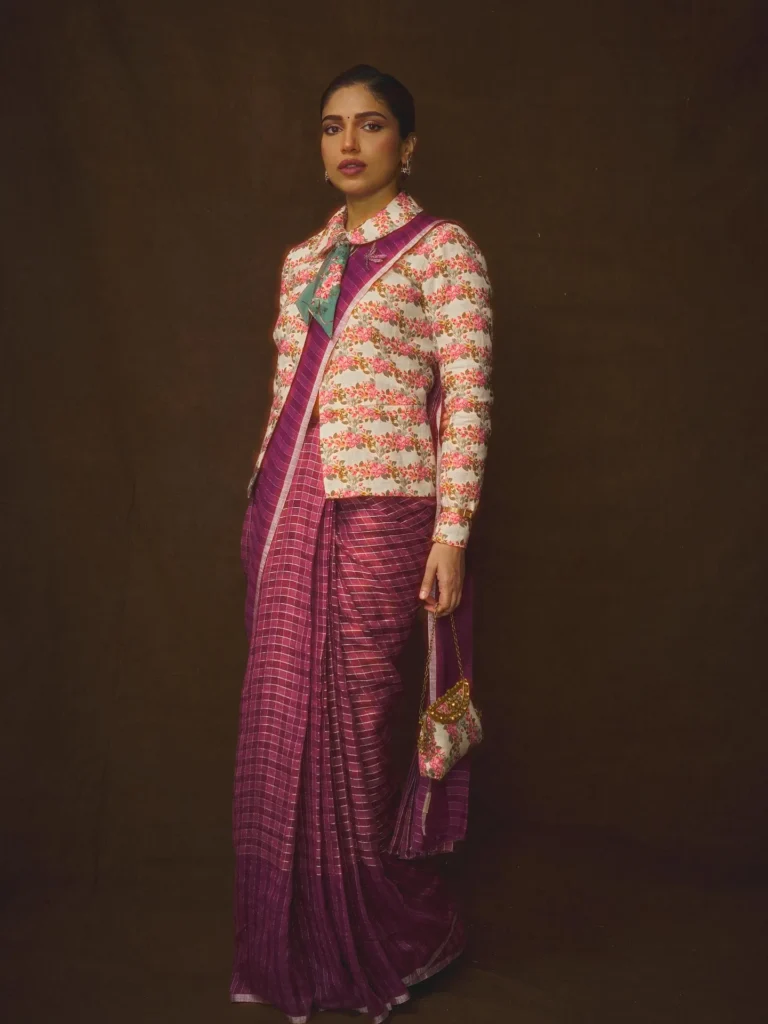
Hard as it is to design clothing that is entirely retro, Bhavya suggests “adding a designer’s own perspective” to pay homage to old styles while still keeping them fresh and trendy. She also highlights ethical considerations, stressing “sourcing with respect” and prioritising “quality over quantity” to maintain authenticity.
Other designers say that Gen-Z and millennials embrace retro fashion because of its sustainability and uniqueness. This view finds support in the fact that vintage pieces are often the best thrift finds. There are also arguments that retro fashion has made its comeback because of its familiarity and effortlessness.
Regardless of the reasons for its return, it is equally loved by everyone who follows a trend.
Beyond fashion
Retro has claimed its position in decor and design as well. People now lean more towards courtyard houses and Kollam interiors instead of state-of-the-art ideas. Wardrobes are being rewound with Y2K, ’70s, and ’80s pieces. Technology, too, is reflecting retro influences as film and retro-style cameras produce more appealing results, adding a vintage hue to photographs.
Retro trends often symbolise broader cultural movements. Looking back in time means not just to wear clothes, but to wear stories. No matter what each theory suggests, it is always appealing to weave old narratives into new stories. Maybe that’s why retro returns to our wardrobes.
In a way, wearing retro becomes an act of storytelling, with each piece carrying the weight of where it came from and the promise of where it’s headed.
As runways recycle decades and thrift stores hide valuables for the future, retro reminds us that fashion isn’t a straight line. It’s a circle, a rhythm that repeats, a reminder that style’s greatest strength is its ability to evolve without ever letting go of what once was.