Sriram Mukkamala
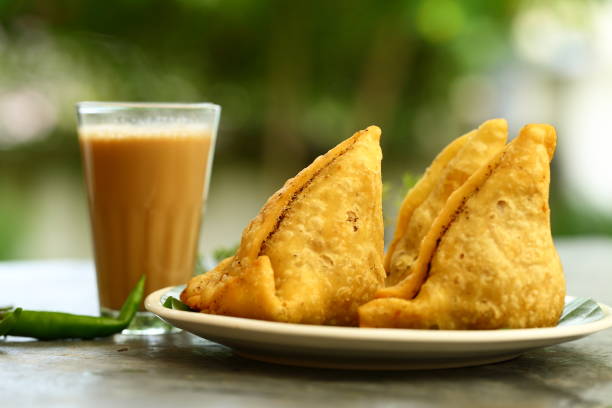
The beloved combination of chai and samosas is far more than a mere culinary indulgence in India—it is a cultural touchstone, steeped in nostalgia, communal memory, and quotidian ritual. Yet, beneath this comforting façade lies a mounting public health concern: a rising tide of obesity, partially fuelled by a growing dependence on calorie-dense, oil-saturated comfort foods.
A single samosa—typically deep-fried in repeatedly used vegetable oil—can contain as many as 400 calories, primarily sourced from refined carbohydrates and unhealthy fats. When paired with sweetened, full-cream chai, the caloric load climbs further still. While occasional enjoyment may be benign, nutrition experts caution that routine consumption, increasingly prevalent across urban and peri-urban landscapes, is quietly exacerbating India’s obesity epidemic.
Hidden Perils of Cooking Oils
Over the past two decades, India’s per capita vegetable oil consumption has more than doubled. Popular cooking mediums such as sunflower, soybean, and palm oil are frequently reheated by street vendors to economize on costs—a practice that leads to the formation of toxic compounds associated with cardiovascular disease, metabolic dysfunction, and even carcinogenesis.
Data from the National Family Health Survey (NFHS-5) reveal a sobering trend: 24% of women and 22% of men in urban India are now categorised as overweight or obese. Once confined largely to the affluent, this trend now increasingly affects lower-middle-class populations, for whom inexpensive, high-energy street fare offers both accessibility and satiety.
The ramifications are serious. Escalating rates of obesity are contributing to a surge in non-communicable diseases such as diabetes, hypertension, and cardiovascular conditions—ailments that are placing immense pressure on India’s already overburdened healthcare infrastructure.
Balancing heritage and health
Public health experts argue that the solution lies not in the eradication of traditional foods, but in their thoughtful reinvention. Healthier alternatives—such as air-fried or baked samosas, nutrient-rich vegetable or lentil fillings, and unsweetened or plant-based chai—are gradually gaining popularity, especially among younger, urban consumers.

Yet, meaningful transformation will require more than isolated dietary shifts; it demands comprehensive public education, supportive policy frameworks, and a collective reorientation of cultural attitudes toward food and wellness.
India now finds itself at a pivotal juncture. The task ahead is as delicate as it is urgent: to preserve its culinary heritage while confronting its long-term health implications. Navigating this terrain—honouring tradition without compromising public health—may emerge as one of the most nuanced and necessary challenges in the nation’s ongoing pursuit of well-being.