Looking at Me, Looking for Them
Tanzeela Abdul Rasheed
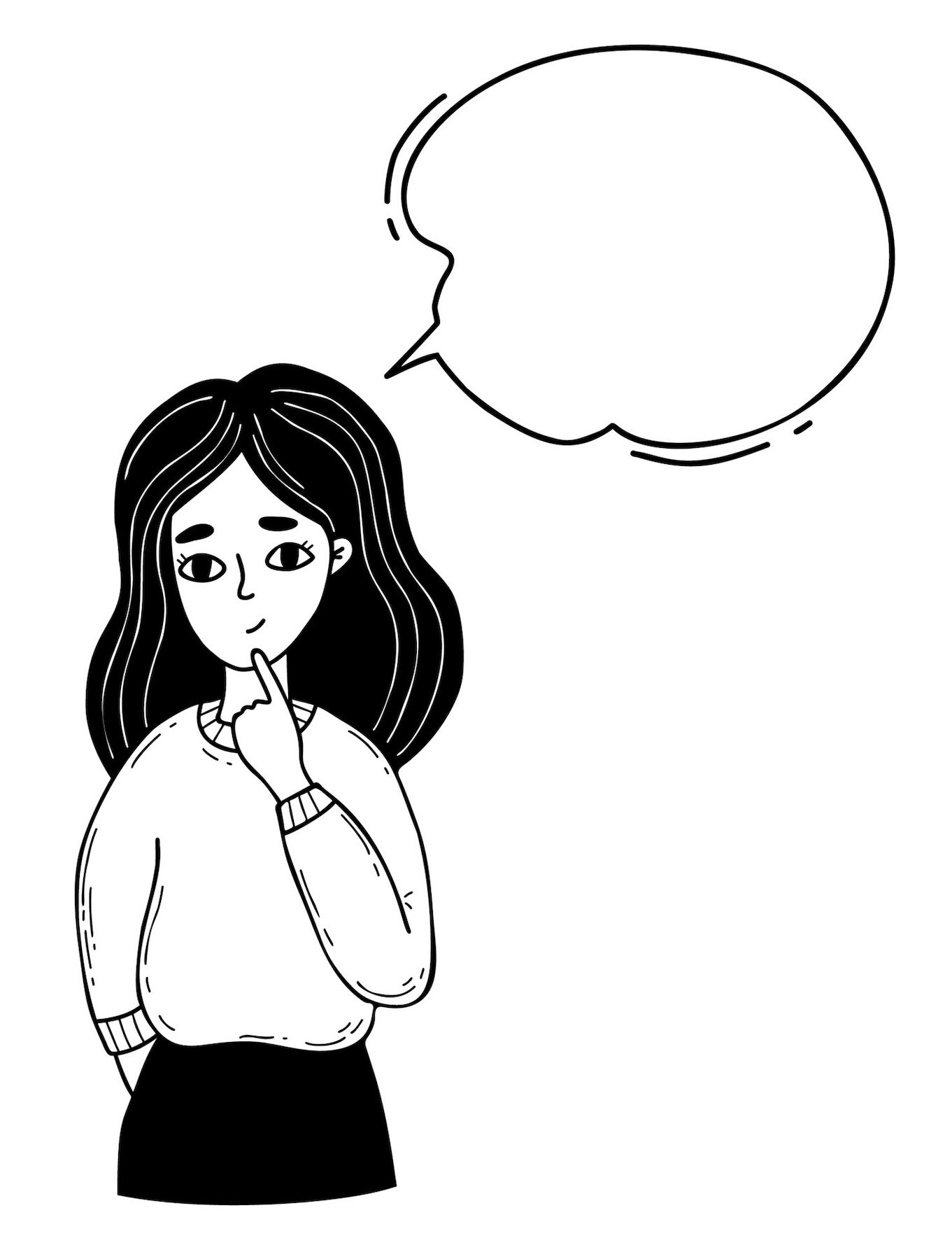
Conny scores full marks in unsolicited representation.
The other day, I was sitting with Conny.
Conny, for those unfamiliar with the distinguished gentleman, is my conscience. He appears uninvited, drinks imaginary tea, and specialises in asking uncomfortable questions at highly inconvenient moments.
“Remember college?” he asked.
Of course I did.
The lawns. The endless assignments. The dreams of becoming something substantial before attendance shortages caught up with us. The banter. The leg-pulling. The harmless jokes that every friend group survives on.
Or so we think.
One afternoon, someone suggested a game. A name would be mentioned and everyone had to say the first thing that came to mind.
The names rolled by.
Actor. Cricketer. Tall. Loud. Funny.
Then came a particular name.
“Burqa,” someone immediately said.
Laughter.
A few moments later, another name.
“Topi.”
More laughter.
Then someone added, “Abdul.”
Even more laughter.
The game moved on. Everyone laughed. Nobody fought. Nobody objected.
Yet years later, Conny still remembers.
“Funny, wasn’t it?” he asked.
I wasn’t so sure.
Because somewhere between the laughter and the silence, a person had disappeared and a stereotype had entered the room.
The strange thing is that this rarely arrives announcing itself as prejudice. It arrives disguised as humour. It enters with folded hands and says, “Relax, we’re just joking.”
The joke ends.
The label stays.
Conny reminded me of another familiar scene.
A classroom discussion about the Taliban.
A news debate about Afghanistan.
A conversation about Pakistan.
A chapter about the Mughals.
The topic would barely begin before I could feel it.
Not words.
Eyes.
Those quick sideways glances.
The silent head-turns.
The subtle checks.
Almost as if the room had collectively decided that I had been appointed spokesperson for all Muslims worldwide.
Apparently, somewhere between birth and adulthood, I had unknowingly acquired diplomatic responsibilities.
“Would you like to comment on the actions of the Taliban?”

No, actually. I was hoping to submit my assignment and go home.
The assumption itself is fascinating.
If a corrupt politician is arrested, nobody asks every politician’s neighbour to explain his behaviour.
If a businessman commits fraud, nobody expects every commerce student to hold a press conference.
Yet somehow, when a Muslim extremist appears on television, an ordinary Muslim student suddenly becomes a reference book.
I oppose the Taliban.
Strongly.
Most Muslims I know do.
But for some reason, opposition is not enough. One must continuously provide proof of opposition, certificates of opposition, and if possible, a notarised affidavit confirming opposition.
The examination never ends.
Then there are the questions.
I once met someone for the very first time.
The conversation had barely crossed the introductory stage when he asked, with complete sincerity,
“So, men in your community can have four wives. Can women also have four husbands?”
For a few seconds, I froze.
Not because I was offended.
Because I was amazed.

Out of the entire universe of possible opening questions—weather, studies, hobbies, career aspirations, favourite food—this was the winner.
Conny nearly choked on his tea.
Fortunately, a friend standing nearby rescued the moment. Before I could formulate a response, he cheerfully replied,
“Yes, yes. Everyone has four. Membership offer.”
The topic changed.
Human civilisation survived.
But the incident stayed with me.
Not because one person asked a strange question.
Because it revealed how powerfully stereotypes travel.
Sometimes through news.
Sometimes through social media.
Sometimes through memes.
Sometimes through years of hearing only one version of a story.
Eventually, the stereotype becomes so familiar that people stop seeing the person standing in front of them.
On one side, there are people who reduce you to a religious identity.
On the other side, there are those within the community who insist you must be
behave according to a prescribed script.
Speak this way.
Think this way.
Represent us this way.
Belong to us.
The result is a peculiar feeling of standing in the middle of two loudspeakers, each convinced it understands you better than you understand yourself.
Meanwhile, all you wanted was to be left alone long enough to finish your coffee.
What fascinates me most is that nobody introduces me as a Telugu-speaking person.
Nobody begins with my hobbies.
Nobody says, “Ah yes, a fellow human being.”
The religious label often arrives first.
Everything else is treated as supplementary information.
As if being Muslim is the headline and being a person is the footnote.
Of course, whenever this discomfort is mentioned, the standard response arrives promptly.
“You’re taking it too seriously.”
Perhaps.
But those who say this experience the joke once.
The person receiving it experiences the reminder repeatedly.
Day after day.
Conversation after conversation.
Glance after glance.
Humour becomes scrutiny.
Scrutiny becomes exhaustion.
And exhaustion quietly becomes loneliness.
Conny says society is improving.
I think so too.
Most people are not malicious.
Most are simply inheriting assumptions they never had a reason to question.
Which is precisely why questioning them matters.
Perhaps the goal is not to stop every joke.
Nor to walk around perpetually offended.
Perhaps the goal is simpler.
To see people before categories.
Individuals before stereotypes.
Humans before headlines.
Maybe one day nobody will expect me to explain the Taliban, translate Arabic, discuss Mughal history, defend Pakistan, or represent an entire community before lunch.
Maybe one day I will simply be allowed the luxury of being myself.
Until then, Conny and I will continue our conversations.
He asks the questions.
I search for the answers.
And every now and then, when the room turns to look at me for a reaction, I find myself wondering:
Are they looking at me?
Or are they still looking for someone else?