By Surakanti Koushika
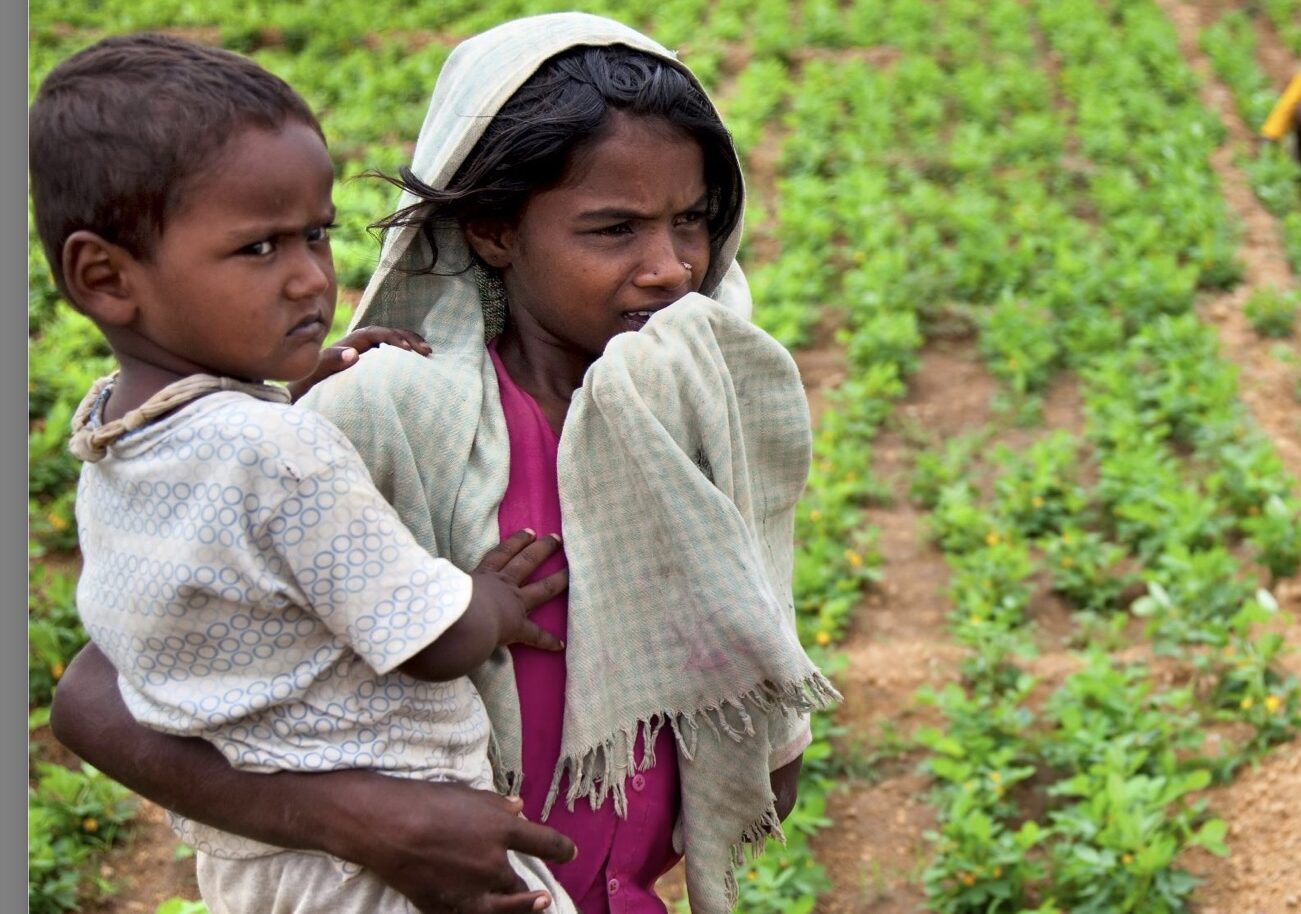
Every society has its problems, but India’s challenges often come in three layers — caste, class, and gender. These three forms of discrimination blend so deeply into everyday life that many of us don’t even notice them. Yet for millions of girls, these silent rules shape everything- from how they grow up to how they are expected to live as adults.
Inside many Indian households, inequality begins in childhood. Boys and girls grow up under the same roof, but not under the same expectations. While sons are treated like kings, daughters are quietly taught to serve. A girl may return home after a long day of classes, only to be handed household responsibilities that her brother is never asked to share.
Girls don’t feel frustrated because they have to do chores. They feel frustrated because the justification is always the same: “You’re a girl, so you must do it.”
This one sentence carries a whole history of gender roles. It defines what girls are “allowed” to do, how much freedom they get, and how much weight they must carry- physically and emotionally.
Even during pregnancy, many women continue to shoulder the majority of household tasks. Their exhaustion is normalized, their strength taken for granted. Society praises them for being “strong,” while refusing to support them in practical ways. This double standard shows how deeply gender expectations are rooted in our culture.
But it’s important to understand that these ideas aren’t created by any one person. They are passed down through generations. Parents often repeat what they themselves were taught. These habits enter homes so quietly that they begin to feel natural, even though they are unfair.
Strangely, our entertainment reflects this too. Films that show women’s struggles honestly- like The Great Indian Kitchen- don’t always get the attention they deserve. But when the same themes appear in a big commercial film with a famous actress, the audience suddenly reacts. This shows how much our generation relies on glamour and celebrity visibility, often valuing hype over content.
Yet change is happening- slowly, but surely. A growing number of young women want independence before they enter marriage or take on traditional roles. Many dream of living alone, working, earning their own money, and building a peaceful life on their terms. It doesn’t mean they reject family or relationships; it means they want freedom before responsibility.
This desire is not rebellion.
It is healing.
It is strength.
When young women question the old patterns, they give society a chance to evolve. Every girl who chooses education, independence, or self-respect becomes a small revolution in her own home. And these individual revolutions — silent, personal, powerful — are what slowly reshape a nation.
India may still be changing, but today’s youth are the ones guiding that change. And the first step is simple: recognising the invisible burdens that girls carry every day, and imagining a future where they don’t have to.