In the 90s: Growing up at a gentle pace
Mukkamala Sriram
Life was not instantaneous; it went about itself, slow, steady and felt deeply. The nineties childhood happened at the crossroads between slow living and nascent technology. Somewhere in this no-man’s-land, there was a childhood unlike any other today.
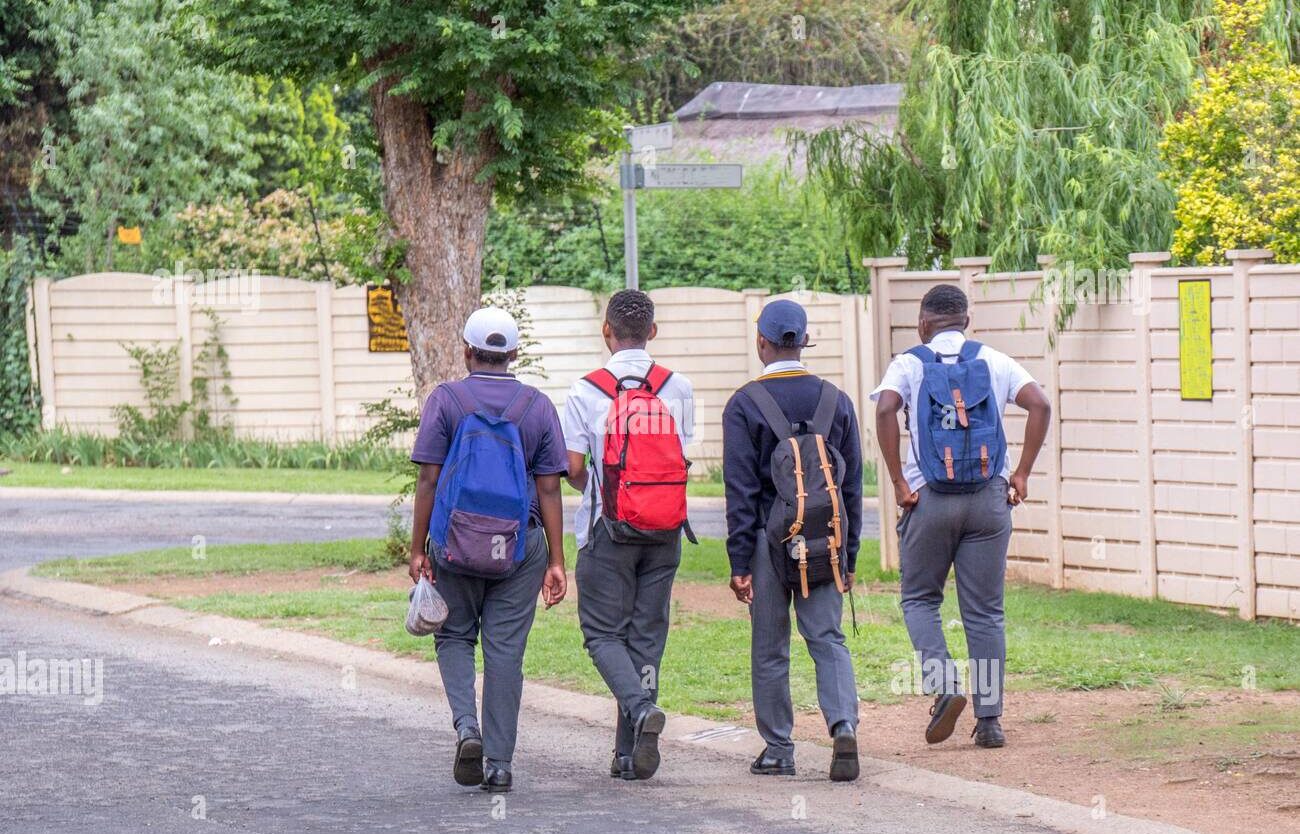
After school: the real part of the day started. The bell only signaled freedom. Walking home together, burdened by school bags, light with anticipation. Discussions are loud, random and incessant. Cricket scores debated with the ferocity of a world match, WWF cards traded like gold, tea breaks at chaat stalls every few steps for panipuris, samosas, or bhel puris. No photographs, no recordings-only memory.
The evenings belonged to Television; and it was not entertainment but authority. The cartoons not “content” but daily sacred time-the Ducks, TaleSpin, GI Joe, Dennis the Menace, Popeye and Tintin. The missed episodes would never re-air; no re-runs, no retrieval-only memory. Scarcity bred attention.
The Sundays had a solemn kind of stillness. Mahabharat brought mythology to life in homes and localities; no TV viewing during the episode for the whole of India it seemed. Chandrakanta’s Indian fantastical realism-one still remembers Kroor Singh’s “Yakoo!” while watching it. Alif Laila for genies, flying carpets and impossibly wondrous lands; Tehkikaat for its mystery solving. It was a weekly emotion.
The child’s world beyond the TV was a micro-economy of WWF cards and cricket cards. High value cards ensured bragging rights; trades were conducted with pride and strategy. The Business game took over households with shrewd negotiations, battles of wits, alliances and endless arguments. Value, loss and negotiation were learned long before finances.
Then came the tech invasion. Windows 95 felt like rocket science; Windows 98, pure power. The internet connection had a 56 kbps dial-up and the ritual involved the modem’s deafening screech into connectivity-an event that made sure no one spoke during the duration of the dial up-a prerequisite that required utter house silence. Achievement when it connected; a repeat the moment it failed.
The school examinations were childhood’s’ peak pressure season. A place of study and strategy, the study table becoming a battleground, sleep a commodity and expectations, heavy stones. The results were seldom measured individually but compared publicly-‘look at what your cousin got’, ‘Sharma Uncle’s boy did better’. It wasn’t callous but love and concern couched in comparative vernacular; the language of those times.
Nothing however defined the nineties better than the walk from school. It meant dusty roads, unadulterated laughter, shared food and no accountability. The 90s meant a freedom unburdened by labels.
The nineties weren’t about the objects in them but about the space of time itself-slow, quiet and all-encompassing. No constant updates, no infinite choices, no noise. The modern pace is so rapid, and things so easily available but the faint sound of a modem, a cartoon’s theme tune and an old memory brings the nineties rushing back.
And for a brief moment, you step out of adulthood. Because those nineties never really left you, they became a part of you.