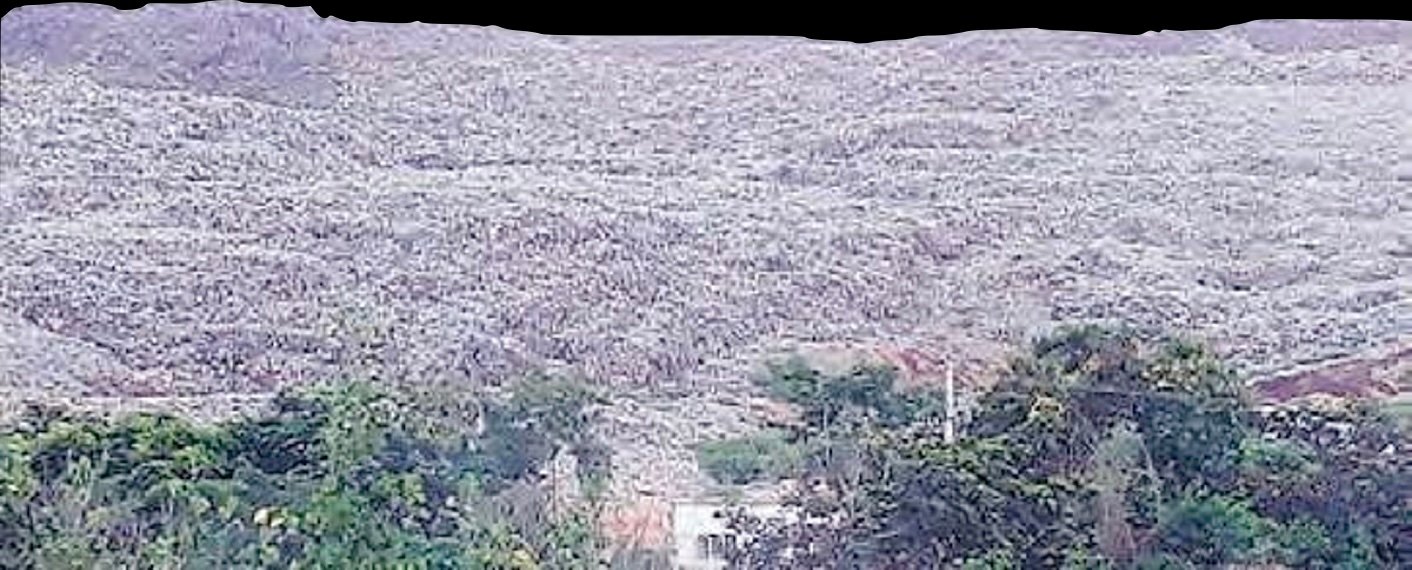
Is there a way out of the expanding mountains of garbage?
Saba Shaik
Every morning, Hyderabad wakes up to a problem it no longer notices — garbage. The city’s detritus lines the street corners, overflows from bins, and finally ends up as massive hills of waste in Jawaharnagar dumpyard.
For residents living near dump yards, these mountains shape daily life, silently affecting health, water, and air. When climate expert Dr. Anil Kumar, who has worked on urban waste solutions across south India, was asked what cities like Hyderabad can do about this growing crisis, his answer did not involve building new dump yards.
“The answer lies in clearing what we already have, not hiding it further,” he said, pointing to an experiment already underway in Chennai.
At Perungudi, decades-old garbage is being excavated through dumpsite mining, a process where old waste is dug out, segregated and reused, says Mr. Kumar. Soil-like material is treated, recyclables are recovered, and only a small fraction is discarded. Nearly 95 acres of the 200-acre dump yard has already been reclaimed.
“This is not magic. It’s science and political will,” Dr. Kumar said. “If Chennai can reduce a 95-acre garbage mountain, there is no reason why Hyderabad cannot attempt it at Jawaharnagar,” he added.
Experts believe this model can be adapted for Hyderabad’s Jawaharnagar dump yard, which has grown steadily over the years, but they warn that the process must be planned carefully.
“Dumpsite mining cannot succeed if fresh mixed waste keeps coming in. Cities must treat this as a two-step solution — clear the past waste, and stop future damage,” said Asiya Khan, an environmentalist.
Environmentalists noted dumpsite mining has clear advantages. It reduces land pollution, prevents groundwater contamination, cuts methane emissions and frees up land that can be reused. They noted that the process is expensive, requires strict monitoring and must go hand in hand with better waste segregation at homes.
“Clearing legacy waste without stopping fresh mixed waste is like bailing water from a leaking boat,” Asiya added. Alongside dumpsite mining, experts stress the need for decentralised waste processing, strict segregation and community participation. Composting organic waste locally and recycling dry waste can drastically reduce the load reaching dump yards.
For residents living near dump yards, solutions like dumpsite mining mean cleaner air, safer water and healthier lives. If cities choose to act now, garbage mountains can slowly turn back into land.
The waste crisis will not end overnight, but Chennai has shown that it can be reversed. With the right planning and intent, cities can reduce old dump yards and prevent new ones from forming. The solution lies not in finding new dumping grounds, but in fixing the things that created them.
