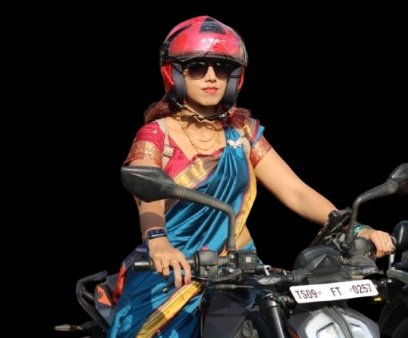
Power biking women break through gender stereotypes
A man rides a scooter to work. Nobody turns around. A man takes a bike on a 500 kilometre ride. It is a ride.
But when a woman gets on a bike, people notice. When she rides alone, they stare. When she rides long distances, they ask questions.
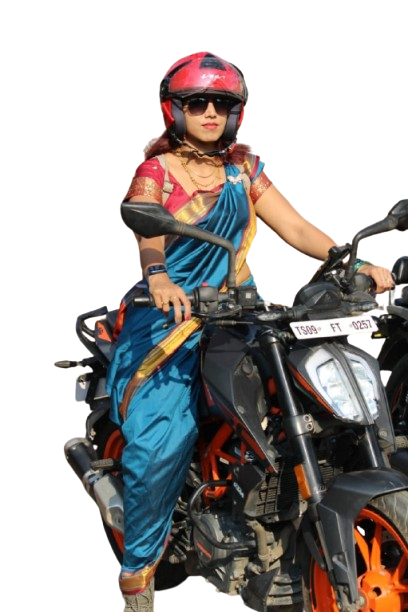
And when she is a mother, the questions become even louder. Who is looking after the children? Why do you need to do this? Isn’t it difficult to manage the family? Why can’t you just stay home?
But perhaps the bigger question is this: Why is a woman riding a bike still considered a story?
For many women in India, riding is not just about the machine beneath them. It is about freedom, identity and the simple right to enjoy something without having to justify it. And for mothers, that right often comes with an additional negotiation — the expectation that once they become mothers, they must put every other part of themselves second.
Yet, the stories of mother bikers show something different. They show women who did not stop being themselves when they became mothers.
For some, motherhood changed their relationship with biking. For others, it barely changed anything at all. Some had to pause their passion for a while. Some continued riding because their families stood beside them. Some had to answer questions at home but continued anyway. And some found that becoming a mother did not make them less of a biker, it simply made them better at balancing the different parts of their lives.
One of the mothers I spoke to never really had to give up biking after becoming a parent. Her husband and children supported her, and biking eventually became something the family could enjoy together. There was no dramatic battle between motherhood and passion because, in her case, her family understood that the two could exist together.
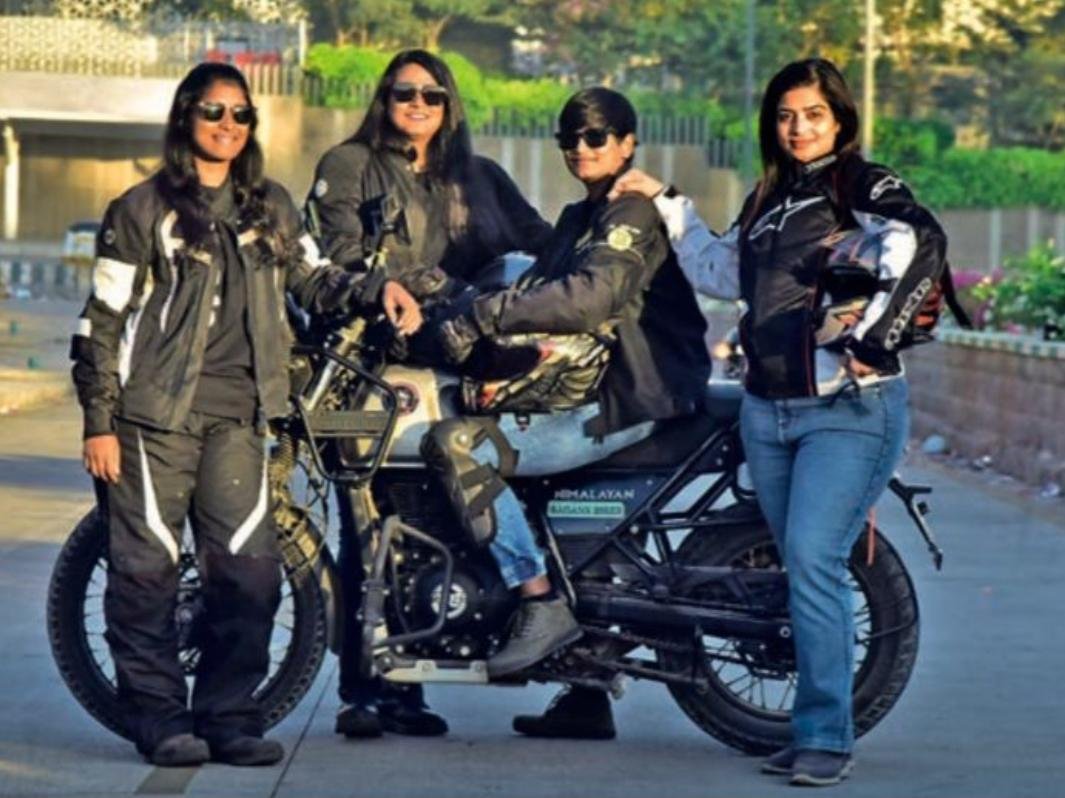
“My family never told me that riding was inappropriate for a woman or a mother. But society still asks why I ride. That is the struggle. We may have the freedom, but we still have to answer for using it,” said Seema, official lead of the Bikerni Hyderabad.
“If a man rides a bike, nobody questions his choice. When a woman rides, people want to know why. That itself shows that we still have a long way to go before we stop attaching gender to something as simple as riding,” she added.
Her story is important precisely because nothing had to be sacrificed.
It raises another question: Why should a woman have to sacrifice her passion simply because she became a mother?
For another mother, the experience was very different. She has heard the familiar questions at home — why do you have to do all this… why do you need to go on these rides… isn’t there enough to take care of at home? But instead of giving up, she found her own way of making it work.
Before a long ride, she wakes up early. She prepares food, gets things ready for her children and makes sure everything at home is taken care of. Only after completing those responsibilities does she get ready for her ride.
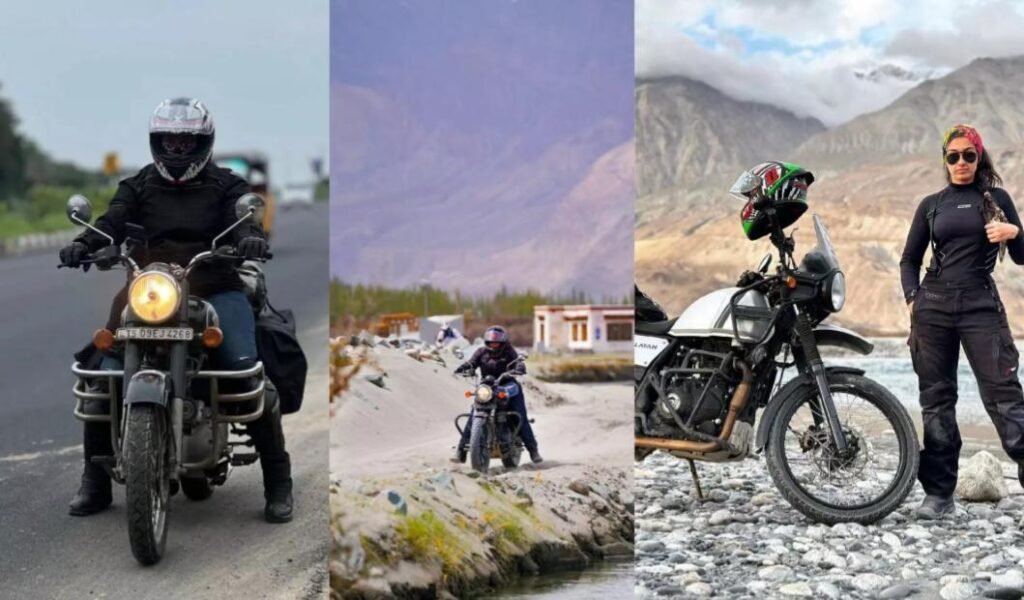
“After becoming a mother, I had to put everything else aside for a while because my children needed me. Even today, I wake up at 4 am., prepare breakfast and lunch, finish everything at home and then take my bike out. I know there will be questions and sometimes even fights when I return late, but that one ride gives me peace. I come back and take care of my responsibilities, but I also want to do something for myself,” said Nalini.
“I don’t ride because I have fewer responsibilities. I ride because, despite all my responsibilities, I still want something that is mine,” she added.
Her bike does not make her less of a mother. It reminds her that she is also a woman with interests, dreams and a life beyond the roles assigned to her.
This is perhaps where the conversation around women bikers needs to change.
“People are often pleasantly surprised when they see a woman biker. Many come up to talk to us, find motivation in our stories or ask how they can build their own confidence. Even men feel happy and proud to see women riding. There will always be a few who try to pass comments because they are still stuck in traditional gender roles, but I don’t think those voices should be given importance when there is so much greater good happening,” said Anita Muktashourya.