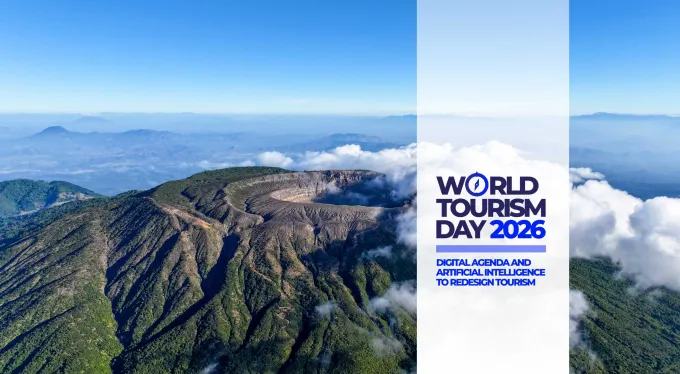
The world we travel to should still be there tomorrow
World Tourism Day | 27 September
I love travelling. I love the excitement of packing my bag, getting on a train without knowing exactly what the next few days will feel like, finding a tiny café in an unfamiliar street, watching sunsets in places I’ve never been before, and coming back with a camera full of memories.
Travel does something beautiful to our spirits. But the more I travel, the more I realise something. Travelling is not just about where we go. It’s also about what we leave behind. And that’s a conversation we don’t have enough.
Tourism can create jobs and support small businesses. It can also bring income to communities that might otherwise have fewer opportunities. UN Tourism itself recognises tourism as a potential driver of rural development, community well-being and environmental sustainability.
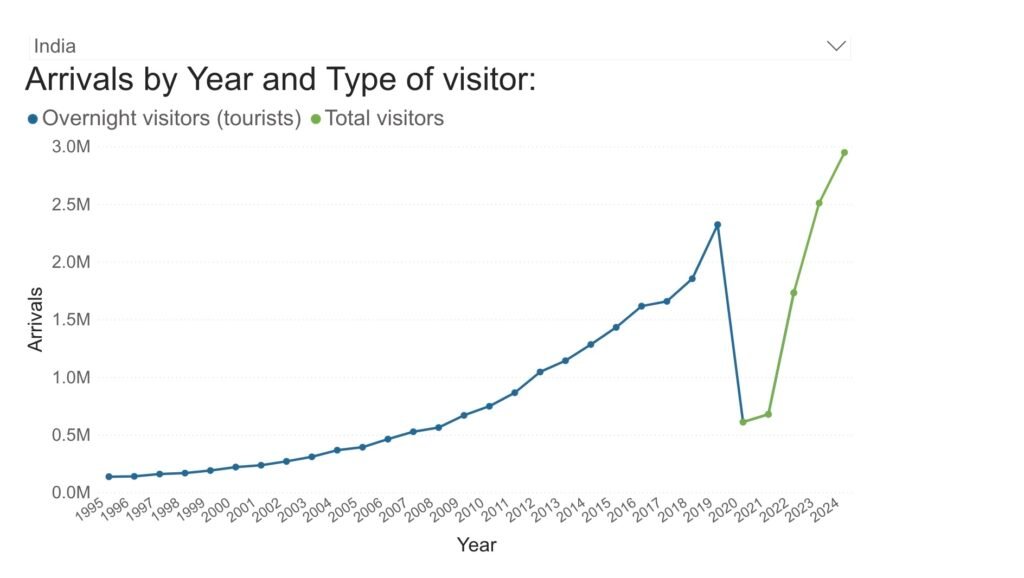
But tourism can also become a problem when we grow faster than a destination can handle.
Think about what happens when a place suddenly becomes the place to visit.
More hotels appear. More vehicles arrive. More construction happens. More water is consumed. More waste is generated. More people want the same viewpoint, the same beach, the same trail and the same photograph.
And eventually, the very thing that attracted us there starts changing. This is where overtourism and unsustainable tourism become important conversations.
A mountain isn’t just a viewpoint. A beach isn’t just a backdrop. A forest isn’t just a trekking route. And a village isn’t just an “Instagrammable location.”
These places are ecosystems. They are homes. They are livelihoods. They carry histories and cultures that existed long before tourists discovered them.
Rapid tourism development can put pressure on natural habitats, water, land, biodiversity and local infrastructure. Tourism-related development can also increase waste, pollution and disturbance to ecosystems when it isn’t properly planned and managed.
And there is another side we don’t always notice as travellers — the people who live there.
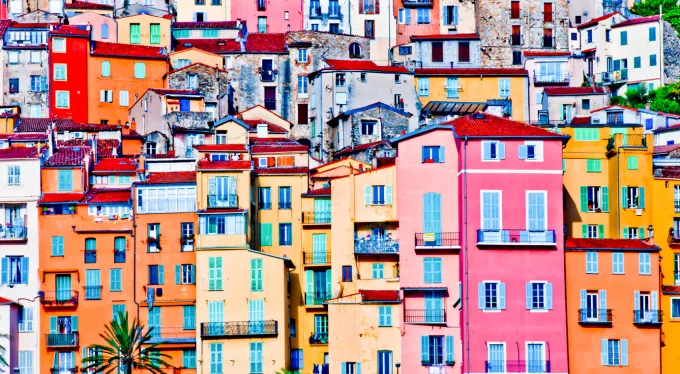
When tourism grows, who actually benefits? Does the money we spend reach local businesses? Are local communities involved in decisions about tourism? Are traditional cultures being respected or slowly being turned into performances created only for visitors? Are residents able to continue living comfortably in the places that have become popular tourist destinations?
These questions matter because sustainable tourism isn’t simply about carrying a reusable bottle or refusing a plastic straw.
Those things matter, of course. But sustainability is much bigger than individual habits.
It is about finding a balance between people, planet and prosperity. It’s about making sure tourism can exist without destroying the resources, culture and communities it depends on.
And honestly, I don’t think the answer is that we should stop travelling.
Travel has given me too much. It has introduced me to people I would have never met, places I would have never imagined and experiences that have changed the way I see the world.
The answer is to travel differently.
● Maybe that means choosing a locally owned homestay instead of always choosing a large chain.
● Eating at a small local restaurant instead of looking only for familiar brands.
● Hiring local guides.
● Buying from local artisans.
● Carrying our waste until we find a proper bin.
● Not feeding wild animals for a photograph.
● Staying on marked trails.
● Respecting restrictions around fragile natural places.
● Using water consciously.
● Not treating local traditions as props.
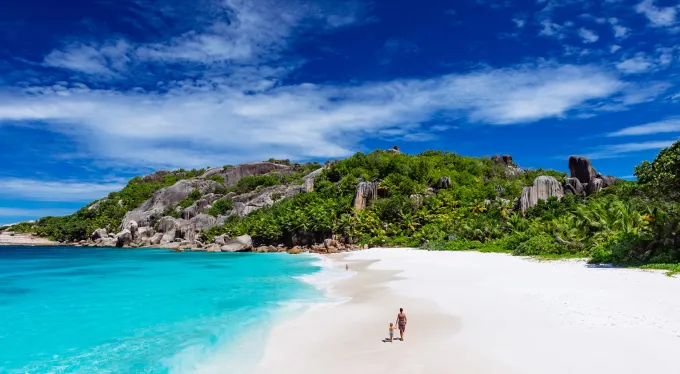
And sometimes, simply asking ourselves: “Do I really need to go there right now?” Because responsible tourism isn’t about being a perfect traveller. None of us are. It’s about being conscious of the impact we have.
Travel widely. Travel consciously. And leave every place with the chance to be loved by the next traveller too.
The writer is on Instagram at: instagram.com/saiswathi_xplores